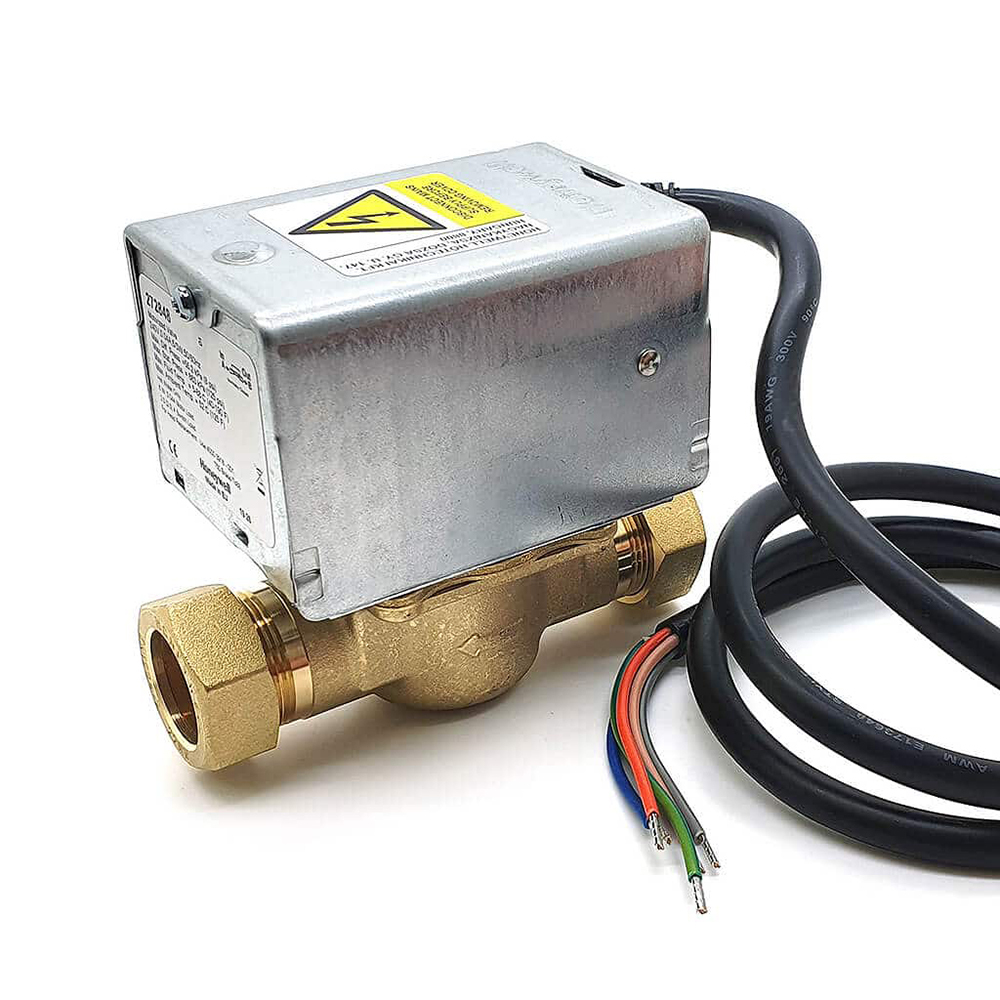
There is nothing quite like the frustration of a cold radiator in the dead of a British winter—especially when the rest of the house is toasty warm. If your boiler is running but certain rooms remain freezing, or if your hot water isn't heating up despite the thermostat being "on," you are likely facing an issue with your heating zone valves. Understanding the mechanics of your heating system can save you hours of shivering. In this guide, we’ll explore zone valve replacement, the different types of steam valves, and how to identify if you simply need a zone valve motor replacement rather than a full system overhaul. What is a Zone Valve and Why Does it Fail? In a modern UK heating system, a zone valve is a motorized device that controls the flow of water from your boiler to different parts (zones) of your home. One zone might be your upstairs radiators, another downstairs, and a third for your hot water cylinder. When the thermostat "calls" for heat, the valve opens. When the temperature is reached, it closes. Because these components move constantly, they are prone to mechanical and electrical wear. Common Symptoms of Failure: Radiators are always on: Even when the heating is turned off. No Hot Water: Even though the central heating is working fine. Strange Noises: Clicking or humming sounds coming from the airing cupboard. Manual Lever is Loose: The manual override lever on the side of the valve has no resistance. If you are experiencing any of these, searching for zone valve services near me is the fastest way to get a professional diagnostic. Before you commit to a full zone valve replacement, it is important to know that these units are usually made of two parts: the actuator (the motor) and the valve body (the brass part). Zone Valve Motor Replacement: Often, the brass valve body is perfectly fine, but the small electric motor inside the plastic head has burned out. Replacing just the motor or the actuator head is a "dry" job—meaning the heating system doesn't need to be drained. It is faster and significantly cheaper. Full Zone Valve Replacement: If the brass internal ball or paddle has seized due to limescale or "sludge" in the system, a full replacement is necessary. This is a "wet" job that involves draining the system (or freezing the pipes) to swap out the hardware. Depending on the age and design of your property, you might encounter various types of steam valves or hydronic valves. While steam heating is less common in modern UK residential homes than in older industrial or commercial buildings, understanding the distinction is key. Two-Port Zone Valves: These are simple "on/off" gates for a single circuit. Three-Port Mid-Position Valves: These "diverter" valves can send water to the heating, the hot water, or both simultaneously. Steam Thermostatic Radiator Valves (TRVs): Used in older steam-based systems to regulate individual room temperatures. Gate Valves: Often found near the boiler to manually shut off water flow for maintenance. If you are unsure which hardware your system uses, our experts can help. You can find a specialist plumber who understands the nuances of both modern pressurized systems and older gravity-fed setups. Many competent DIYers wonder how to change a zone valve themselves. While possible, it involves both plumbing and electrical wiring, which can be dangerous if handled incorrectly. The Basic Process: Isolate Power: You must turn off the electricity to the entire heating system at the fused spur. Drain the System: If replacing the whole body, you must drain the heating circuit until the water level is below the valve. Removal: Unscrew the compression nuts and remove the old valve. Installation: Fit the new valve, ensuring the "flow" arrow on the brass body points in the correct direction. Wiring: Connect the five wires (usually: Grey, Orange, Brown, Blue, and Green/Yellow) to the junction box. Note: Wiring varies by brand (Honeywell, Drayton, etc.). Refill and Bleed: Refill the system, add inhibitor, and bleed the radiators to remove air locks. Warning: Because this task involves 230V electricity and the potential for major water leaks, it is highly recommended to Book your Services with a qualified heating engineer. For more on safe electrical practices in the home, you can refer to the UK Health and Safety Executive (HSE) guidelines. When your heating fails, you don't have time to wait days for a callback. Searching for zone valve services near me through the iFixxer platform gives you several advantages: Vetted Professionals: All our heating engineers are checked for credentials and reliability. Upfront Pricing: Avoid the "emergency call-out" shock. Know what you are paying before the work starts. Speed: Our marketplace connects you with tradespeople who are actually available in your local UK area. Don't suffer in a cold house. Whether you need a simple zone valve motor replacement or a complete system flush and valve upgrade, we have the right pros for the job. Book your Services now and get a quote from a local heating specialist. Install a Magnetic Filter: This catches "black sludge" (magnetite) before it can seize your valves. Summer Exercise: Once a month during summer, turn your heating on for 10 minutes. This prevents the valve internals from sticking due to inactivity.Zone Valve Motor Replacement vs. Full Valve Replacement
Different Types of Steam and Heating Valves
How to Change a Zone Valve: A Simplified Overview
Why Use iFixxer for Zone Valve Services?
Ready to get your heating back on track?
Maintenance Tips to Prevent Valve Failure